Cut
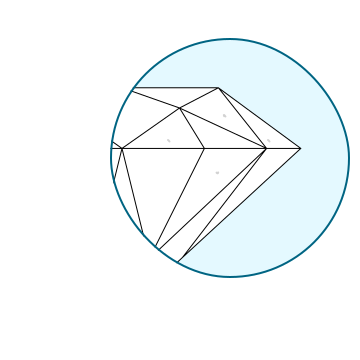
Cut is the most important factor influencing a diamond's brilliance, fire, and overall visual beauty. It refers to how precisely a diamond's proportions, symmetry, and facets are crafted to interact with light. Unlike a diamond's natural characteristics, cut quality is entirely shaped by the expertise and precision of the cutter. When executed exceptionally well, a diamond reflects light evenly and intensely, producing outstanding sparkle, vivid flashes of color, and lively scintillation as the stone moves.
The IGI grades diamond cut from Ideal to Poor according to how effectively the diamond's proportions and symmetry handle light performance. An Ideal cut maximizes brilliance by reflecting nearly all entering light back through the crown, creating exceptional brightness, fire, and scintillation. A Poor cut, however, may allow significant light leakage through the pavilion or sides of the stone, resulting in a duller appearance even if the diamond has high clarity or color grades.





 2ct
2ctCarat
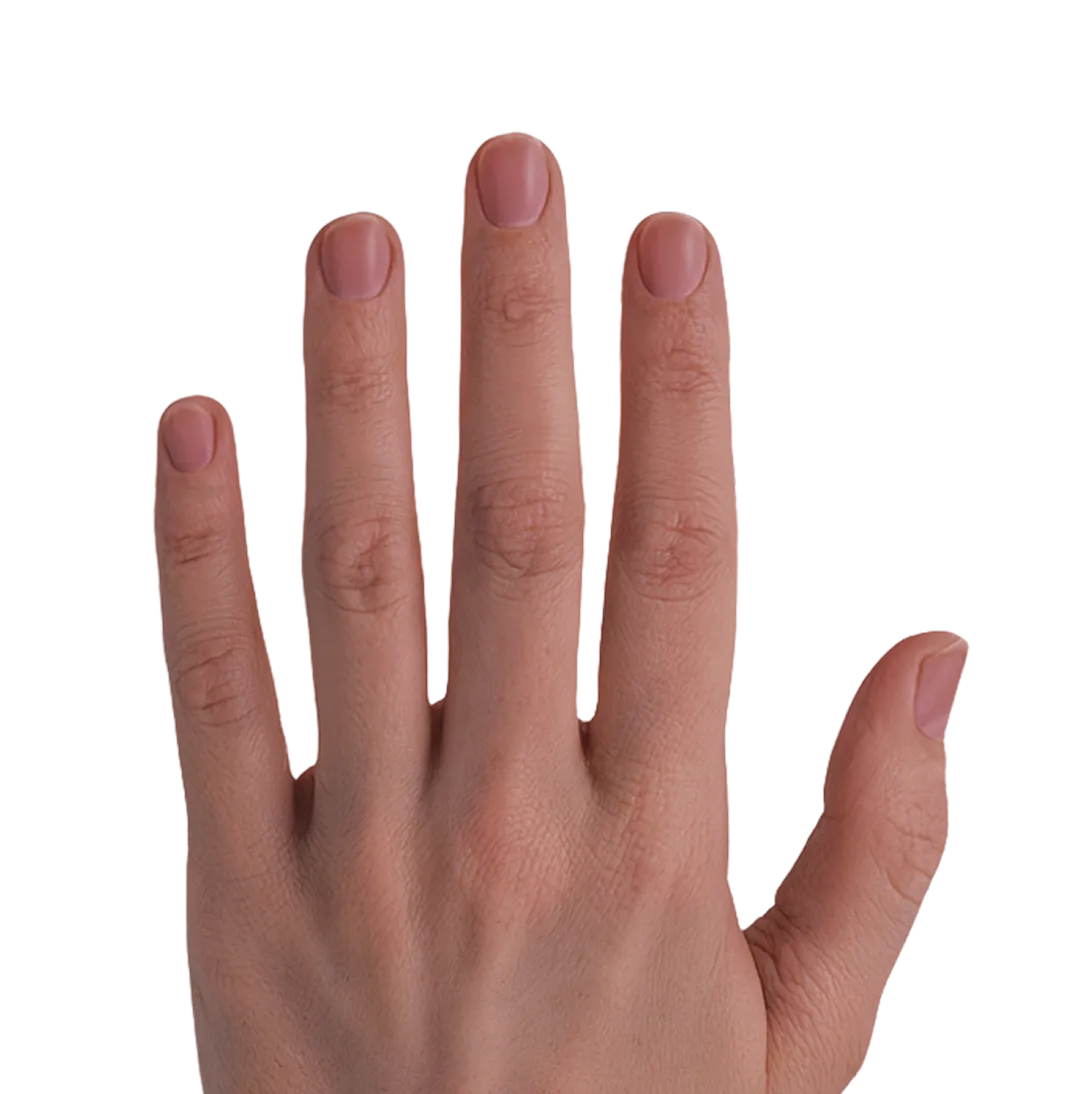
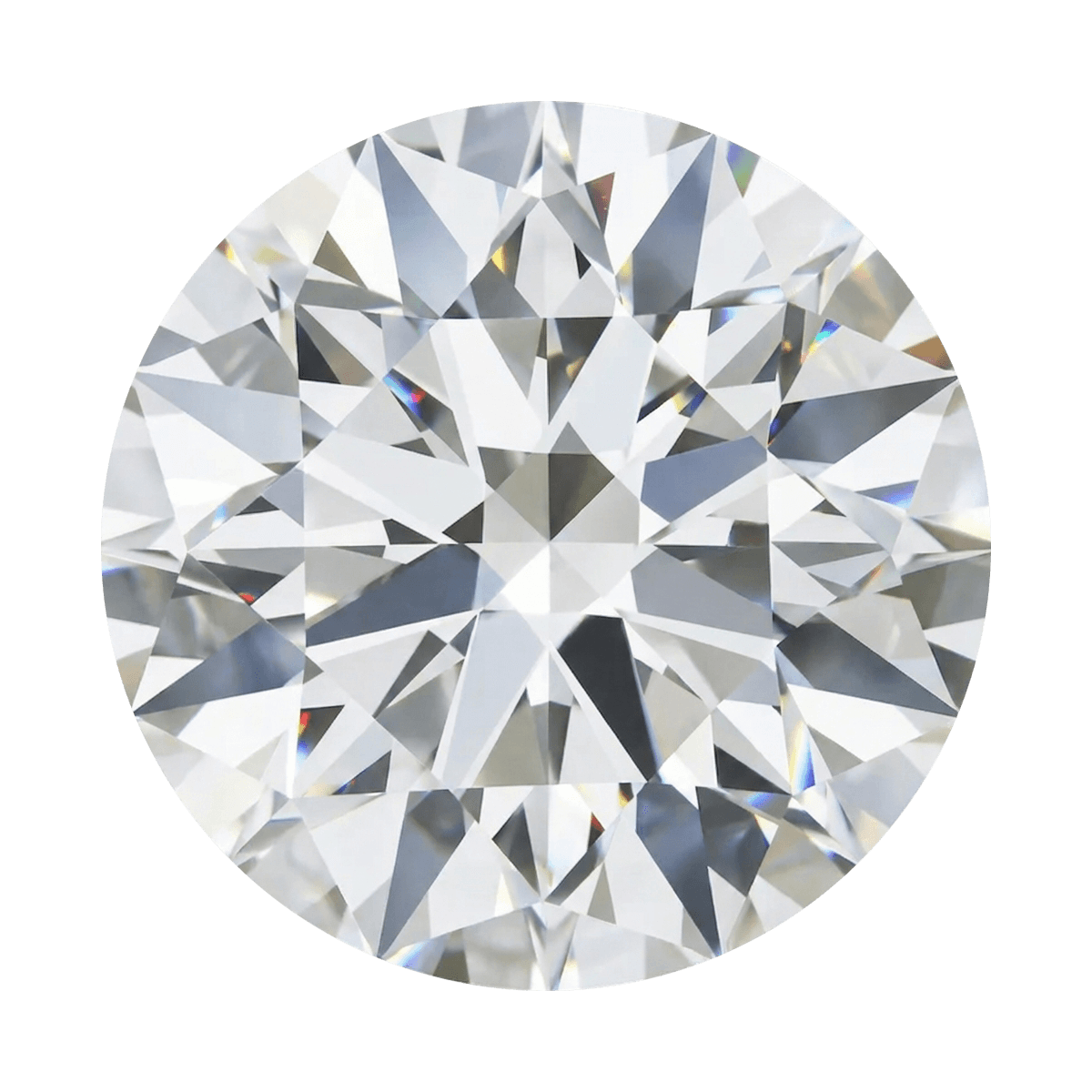
Carat is the standard unit used to measure a diamond's weight, with one carat equal to 200 milligrams. While carat weight is often associated with size, two diamonds of the same carat can appear quite different depending on their cut proportions and shape. A well-cut diamond distributes light more effectively and may look larger and more brilliant than a poorly cut diamond of identical weight.
It's also important to note that differences in carat weight are often far less noticeable to the naked eye than many buyers expect. For example, a 0.90 carat diamond can appear nearly identical in size to a 1.00 carat diamond once set. Choosing slightly below common milestone weights can therefore offer exceptional value, allowing you to maximize visual presence and quality without a significant increase in price.
Color
Diamond color measures the presence of natural tint within a diamond, with the most valuable stones appearing icy white and completely colorless. The GIA color grading scale ranges from D to Z, with each grade reflecting subtle increases in yellow or brown undertones. Diamonds displaying strong hues outside this range — such as pink, blue, or yellow — are categorized as "fancy colored" diamonds and graded using a separate system.
Color visibility becomes more noticeable as diamond size increases, making color grade especially important for larger stones and certain diamond shapes. The ideal color selection often depends on balancing visual preference with setting style and overall appearance. White metals such as platinum or white gold tend to highlight color more clearly, while yellow or rose gold settings can soften warmer tones. Step-cut shapes like emerald or asscher cuts also reveal color more easily than brilliant cuts, which reflect light more intensely and naturally mask subtle tint.

Clarity
Diamond clarity evaluates the presence of inclusions within the stone and blemishes on its surface. The GIA clarity grading scale ranges from Flawless (FL) to Included (I), with most diamonds containing naturally occurring characteristics formed during the crystal growth process. In the vast majority of cases, these inclusions are microscopic and nearly impossible to detect with the naked eye, meaning they have little to no visible impact on a diamond's beauty.
The visual effect of inclusions depends not only on their size, but also on their quantity, type, and placement within the diamond. An inclusion positioned beneath the table facet is generally more noticeable than one located near the girdle or pavilion. Because every diamond forms uniquely, clarity grading involves careful evaluation beyond the certificate alone, and many diamonds with lower clarity grades can still appear completely eye-clean in everyday viewing conditions.