
Precious Metals at a Glance
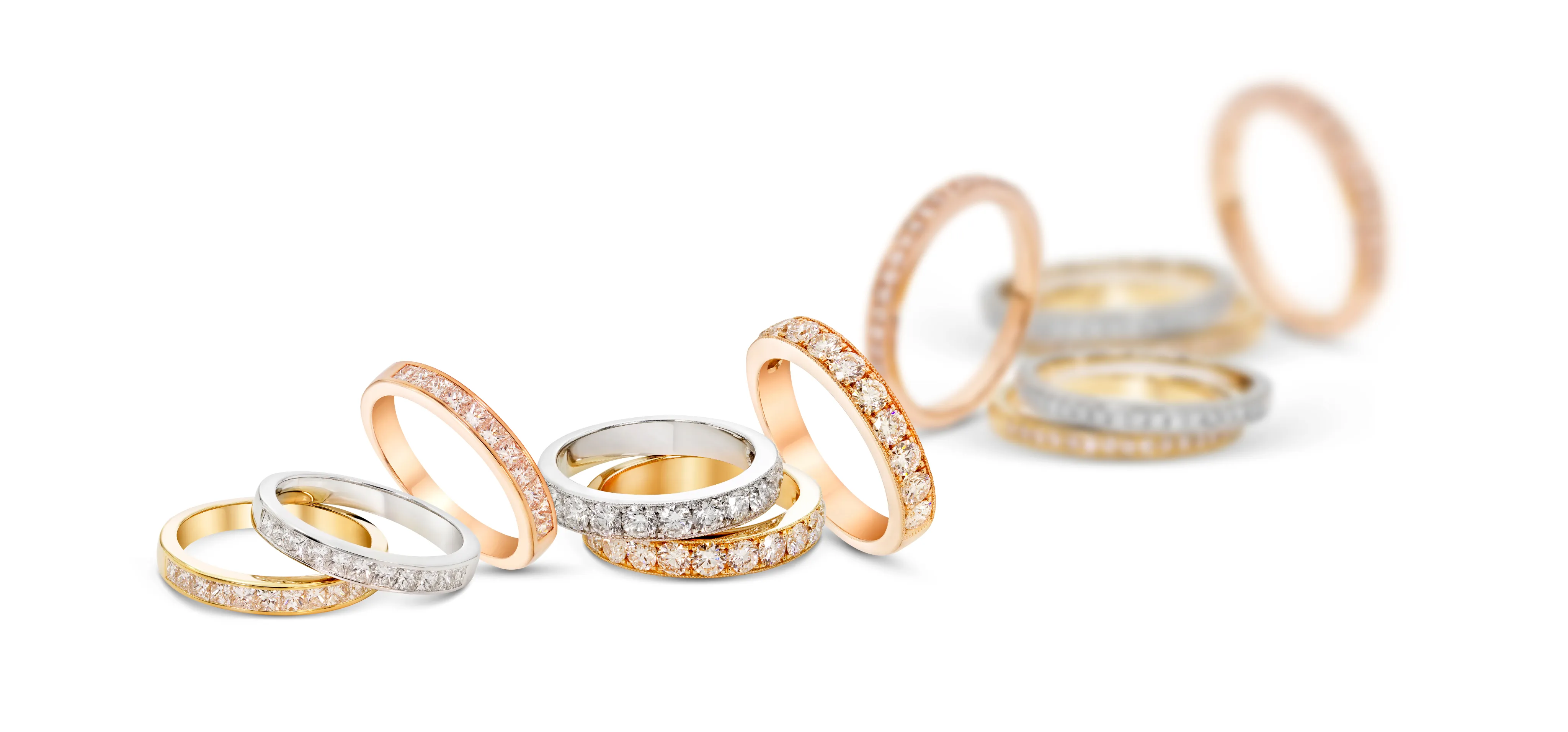
Choosing the right metal for your ring is a balance of purity, durability, and color. Pure 24K gold is naturally too soft for daily wear, so it is mixed with stronger alloy metals to create 14K (58.3% pure gold) for maximum scratch resistance, or 18K (75% pure gold) for a richer, heavier luxury feel. Meanwhile, Platinum stands completely apart as a naturally white, hypoallergenic, and incredibly dense noble metal. By adjusting the secret recipe of these blended alloys, master jewelers create our stunning color palette: classic Yellow Gold, crisp and modern White Gold, and romantic Rose Gold.
The Foundations (Karat & Platinum)
14K gold is a precious metal alloy consisting of 58.3% pure gold and 41.7% alloy metals (such as copper, silver, and zinc). Because pure gold (24K) is naturally incredibly soft and malleable, gemologists mix it with these stronger metals to create a durable composition. 14K gold offers an exceptional balance of beautiful color and structural rigidity.
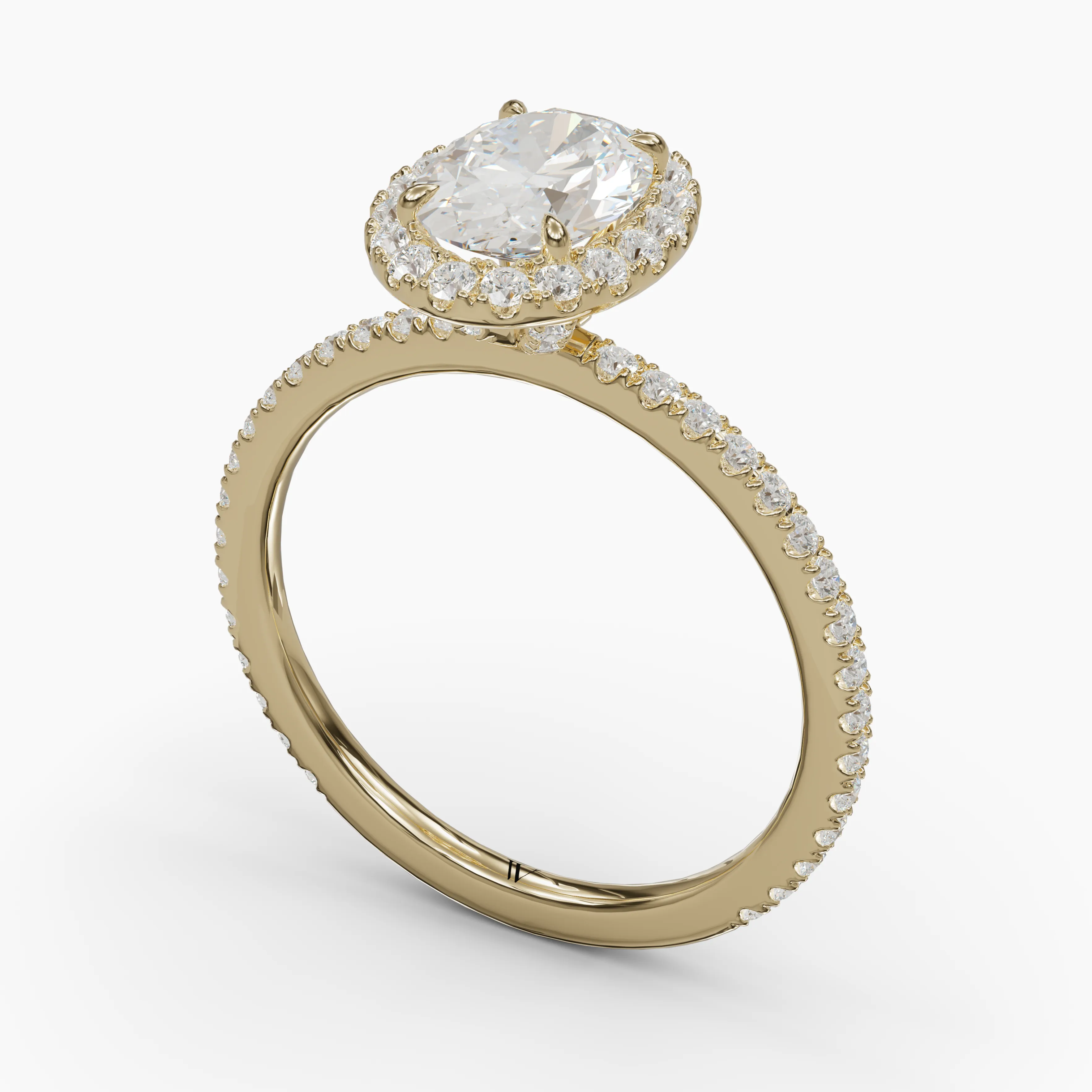
14K Gold
14K gold is a precious metal alloy consisting of 58.3% pure gold and 41.7% alloy metals (such as copper, silver, and zinc). Because pure gold (24 K) is naturally incredibly soft and malleable, gemologists mix it with these stronger metals to create a durable composition. 14K gold offers an exceptional balance of beautiful color and structural rigidity.
Insider Buying Guide
Shop 14K gold engagement ringsThe Vibe: Practical, radiant, and resilient.
Who It's For: The active buyer or anyone working with their hands. Because of its higher alloy content, 14K gold is highly resistant to scratching, bending, and daily wear and tear.
Expert Watch-out: 14K gold is the most budget-friendly gold option, allowing you to allocate more of your budget toward upgrading your center diamond.
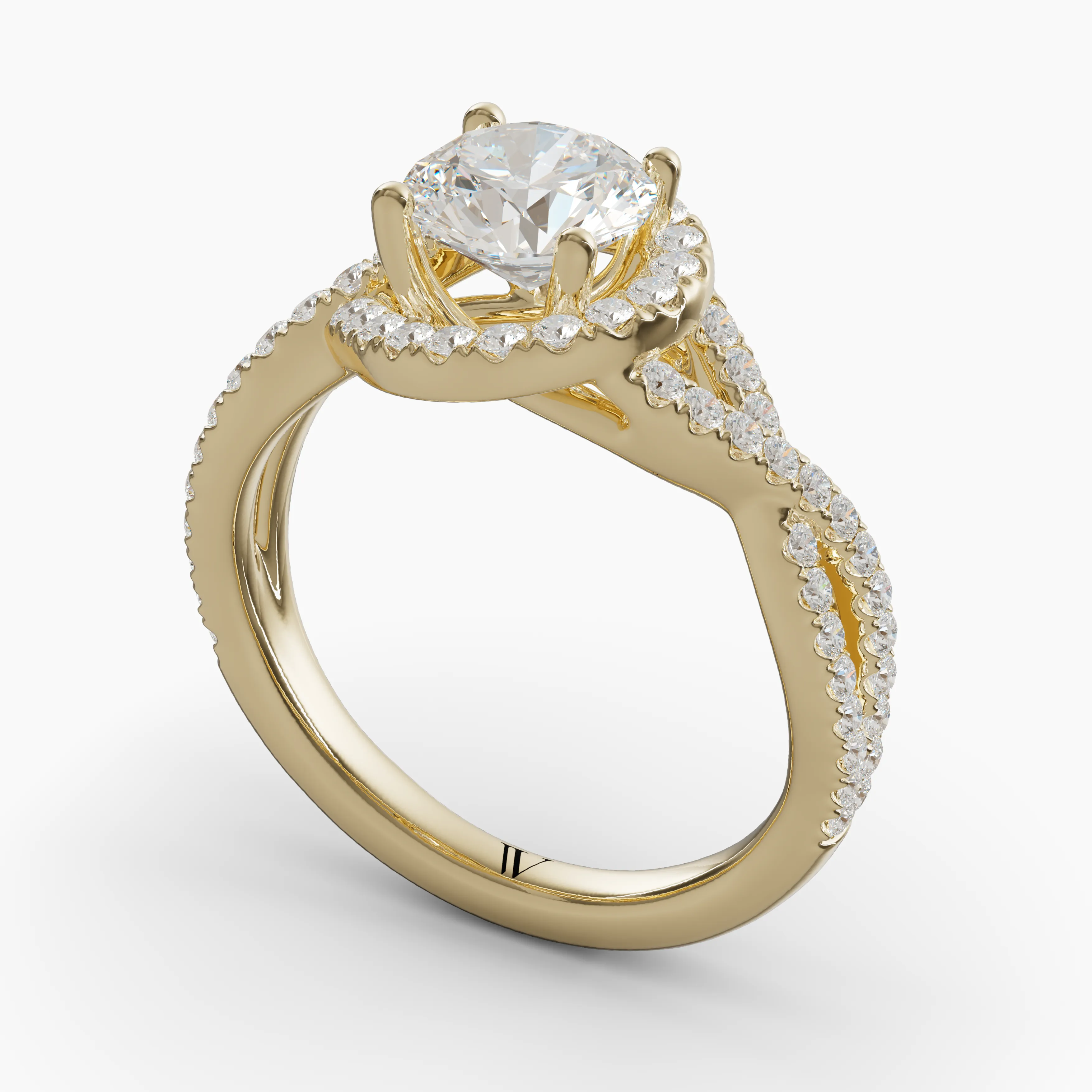
18K Gold
18K gold is a premium luxury alloy containing 75% pure gold and only 25% alloy metals. From a professional standpoint, 18K gold boasts a much richer, more saturated hue than 14K gold because of its high gold content. It is heavier on the hand, giving the ring a distinctly luxurious, substantial feel.
Insider Buying Guide
Shop 18K gold engagement ringsThe Vibe: Prestigious, deeply radiant, and luxurious.
Who It's For: The fine jewelry purist who desires a high concentration of pure gold and appreciates a deeper, more traditional metallic glow.
Expert Watch-out: Because it contains less alloy, 18K gold is slightly softer than 14K gold. It will acquire fine scratches (patina) a bit faster, making it ideal for those who mind taking their rings off during heavy lifting or intense activities.
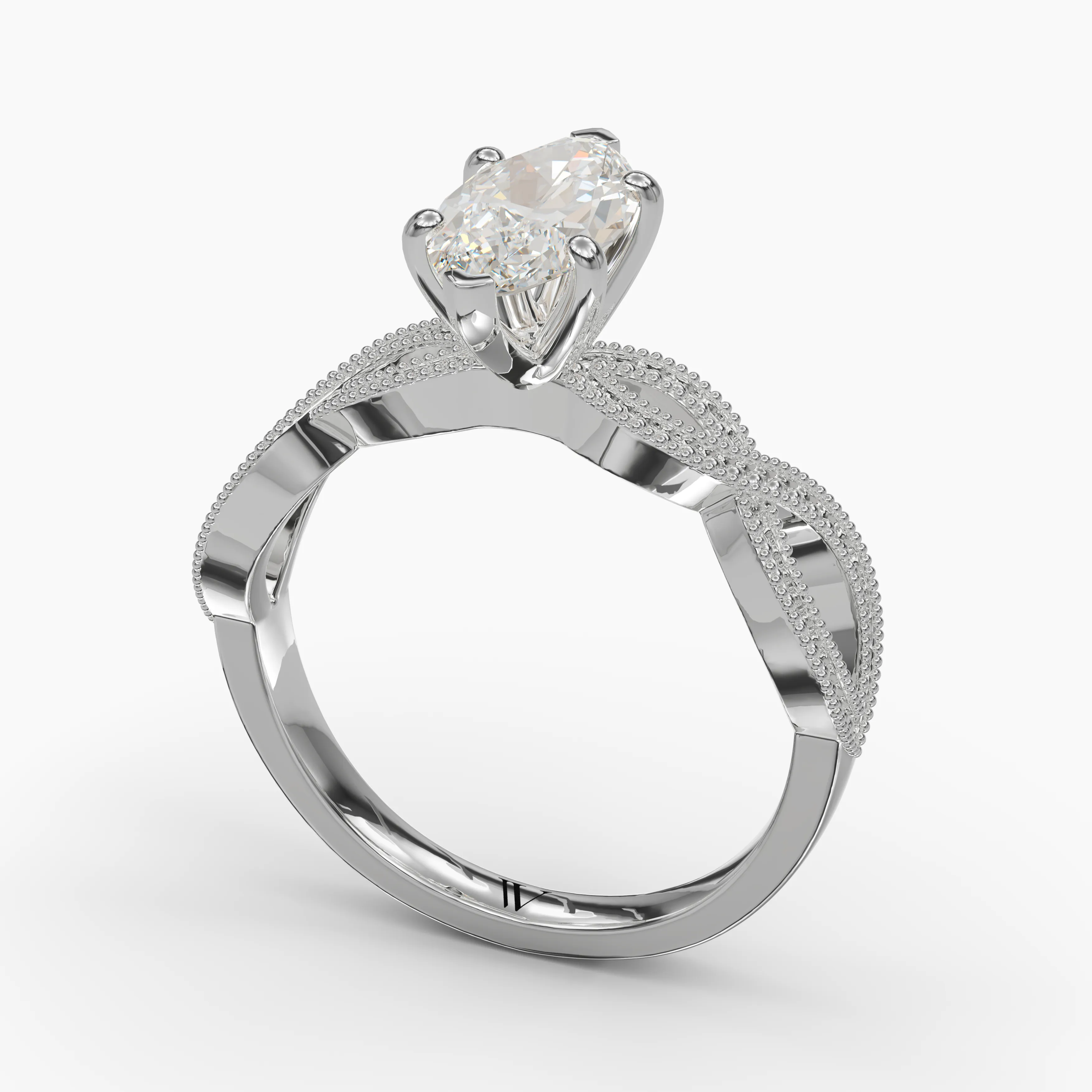
Platinum
Platinum is a naturally white, noble metal used in jewelry at a purity level of 95% (PT950). Unlike gold, platinum is incredibly dense and heavy. Gemologically, it behaves differently under friction: when scratched, the metal isn't lost; it merely shifts, creating a continuous "patina" finish over time. It is also completely hypoallergenic.
Insider Buying Guide
Shop platinum engagement ringsThe Vibe: Elite, ultra-secure, and substantial.
Who It's For: The buyer looking for the ultimate level of security for their diamond, or individuals with sensitive skin or metal allergies. Its heavy weight instantly gives off a high-end feel.
Expert Watch-out: Platinum is more expensive upfront than gold, but it requires less long-term maintenance. Its naturally white color will never fade or change over time, making it a true lifetime metal.
The Palette (Gold Colors)
Gold colors are achieved by carefully adjusting the secret recipe of alloy metals mixed into the pure gold base.
Yellow Gold
Yellow Gold is the quintessential bridal metal, achieved by mixing pure gold with equal parts silver and copper to retain the metal's natural, warm hue. Professionally, yellow gold provides a beautiful, high-contrast frame for white diamonds, emphasizing the fiery brilliance of the stone.
Insider Buying Guide
Shop yellow gold engagement ringsThe Vibe: Timeless, regal, and warm.
Who It's For: Traditionalists who love the classic heirloom aesthetic, or individuals whose daily wardrobe leans toward warm tones and gold accessories.
Expert Watch-out: Yellow gold is incredibly forgiving! If you are choosing a yellow gold setting, you can safely drop down to a slightly lower diamond Color grade (like G, H, or even I) because the warm metal naturally masks subtle yellow tints in a diamond.
White Gold
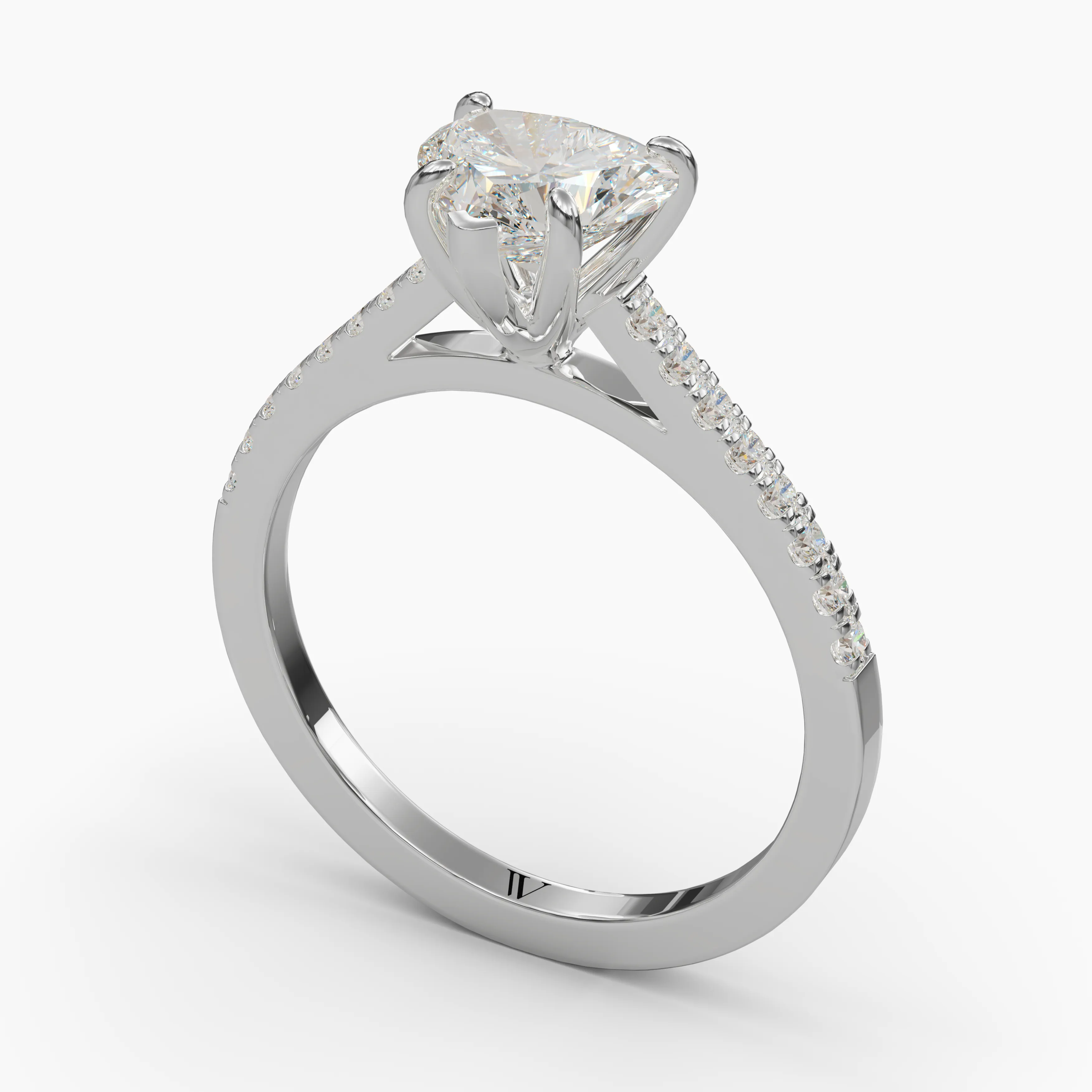
White Gold is created by mixing pure yellow gold with white alloys like manganese, silver, or palladium. To give it its mirror-like, ultra-bright white finish, it is plated with a rare precious metal called Rhodium. Gemologically, white gold offers a seamless, icy look that blends perfectly with a colorless diamond.
Insider Buying Guide
Shop white gold engagement ringsThe Vibe: Sleek, modern, and brilliant.
Who It's For: The contemporary bride who loves a clean, monochromatic look where the metal and the diamond blend together into one continuous sparkle.
Expert Watch-out: The rhodium plating will naturally wear off over time due to friction, revealing a slight warm-yellow undertone underneath. To keep it bright white, plan to have your ring re-plated by a jeweler every 1 to 3 years.
Rose Gold
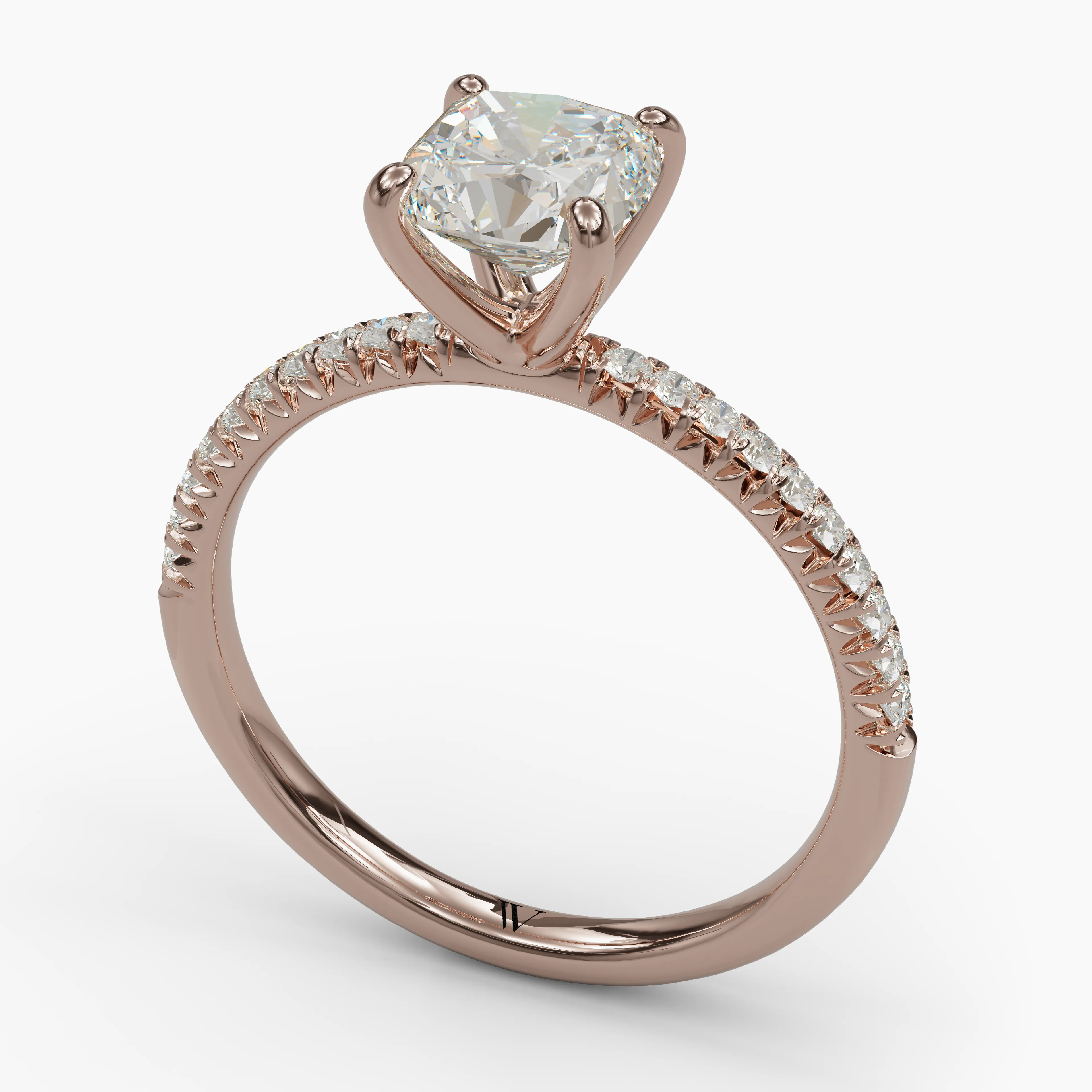
Rose Gold (sometimes called blush or pink gold) is a romantic alloy created by increasing the proportion of copper in the metal mix. The higher the copper content, the deeper the rose hue. This alloy is structurally very strong because copper is a highly durable element.
Insider Buying Guide
Shop rose gold engagement ringsThe Vibe: Romantic, whimsical, and vintage-boho.
Who It's For: Anyone looking for an unconventional, fashion-forward alternative to white or yellow gold. It looks exceptionally beautiful on warm skin undertones.
Expert Watch-out: Because it contains copper, true rose gold is not completely hypoallergenic. If your partner has a known allergy to copper or costume jewelry, it is safer to stick with platinum or high-karat yellow gold.