


What Are Lab Grown Diamonds?
A lab-grown diamond is created in a highly controlled laboratory environment rather than formed naturally beneath the earth's surface. Just like a mined diamond, it consists of pure carbon arranged in a crystalline structure, giving it the same exceptional hardness, brilliance, and fire associated with natural diamonds.
Lab-grown diamonds are formed using tiny diamond seeds placed under conditions designed to replicate natural diamond growth. The two primary production methods are High Pressure High Temperature (HPHT) and Chemical Vapor Deposition (CVD). Through these advanced processes, carbon atoms gradually crystallize into a genuine diamond over the course of several days or weeks. Once formed, the rough diamond is cut, polished, graded, and crafted into fine jewelry in the same way as a natural diamond.
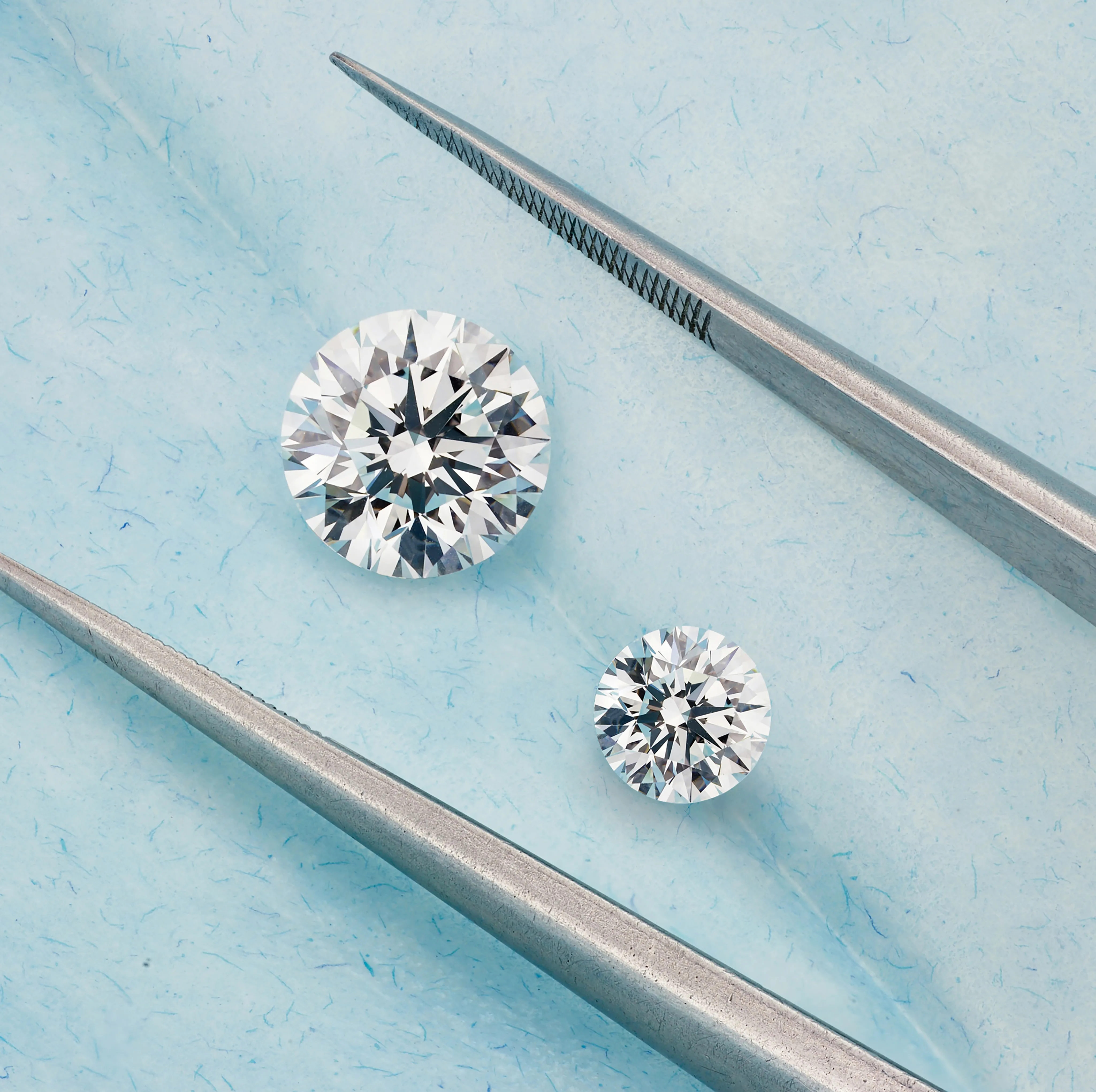
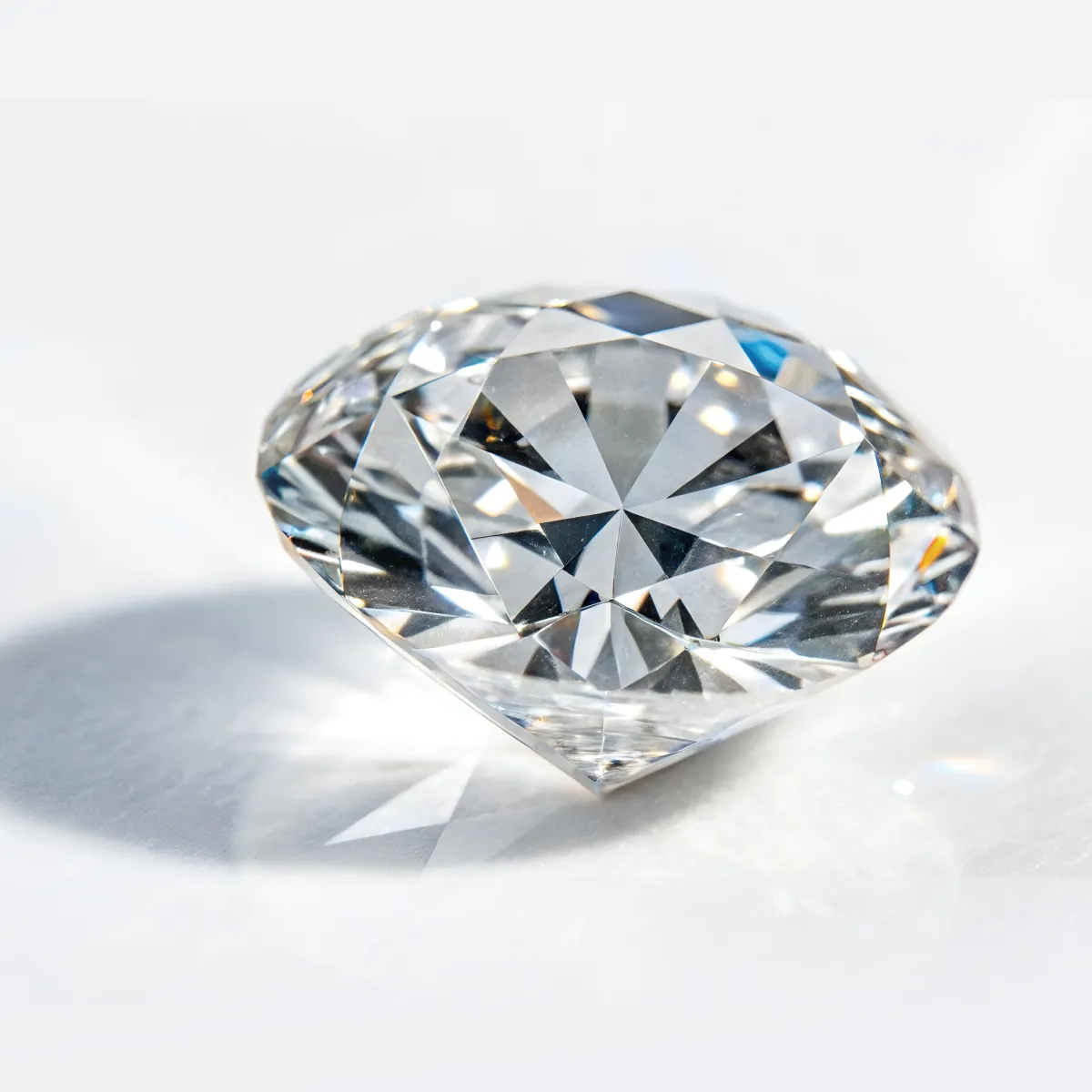
Lab-Grown Diamonds Are Real Diamonds
Lab-grown diamonds are real diamonds with the same chemical, physical, and optical properties as those formed in nature. They are not imitations, but genuine diamonds composed of pure carbon arranged in an identical crystal lattice structure. This structure is responsible for a diamond's exceptional hardness, brilliance, and fire, making lab-grown diamonds visually and functionally indistinguishable from mined stones.
Because they share the same composition and optical behavior, lab-grown diamonds are graded using the same standards as natural diamonds, including cut, color, clarity, and carat weight. Under expert evaluation and in everyday wear, they perform and appear the same as earth-mined diamonds.
The distinction between them lies solely in origin. Natural diamonds are formed deep within the earth over billions of years under extreme heat and pressure, while lab-grown diamonds are created in controlled laboratory environments that replicate these natural conditions using advanced technological processes.
The Future of Diamonds
Budget-Friendly
Budget-Friendly
Value is a defining advantage of lab-grown diamonds, offering a more accessible path to acquiring a larger or higher-quality center stone. It refers to the streamlined supply chain and innovative laboratory processes that eliminate the high costs associated with traditional mining, land displacement, and complex distribution layers. By choosing a lab-grown diamond, consumers can often secure a stone that is 40% to 70% more cost-effective than its mined counterpart without sacrificing the physical, chemical, or optical integrity of the gem.
This pricing efficiency allows for greater flexibility in design, enabling the selection of premium cuts or elaborate custom settings that might otherwise exceed a set budget. While the price is significantly lower, the inherent value lies in the diamond's permanence and beauty. Every dollar spent on a lab-grown diamond translates directly into the tangible quality of the stone itself, ensuring that a masterpiece of jewelry remains an attainable luxury for those who prioritize both fiscal responsibility and uncompromising brilliance.
Ethically Grown
Ethically Grown
Ethical integrity is at the heart of the lab-grown movement, providing a transparent alternative to the historical complexities of the diamond trade. It refers to the guaranteed "conflict-free" origin of every stone, as these diamonds are cultivated in controlled, high-tech environments rather than being extracted from regions prone to geopolitical instability. Unlike mined diamonds, which may require extensive auditing to prove their source, lab-grown diamonds offer a clean, documented history from the initial carbon seed to the final polished facet.
Modern consumers increasingly demand a supply chain that respects human rights and fair labor practices. Lab-grown diamonds meet this standard by operating within regulated facilities that prioritize worker safety and community well-being. By removing the risk of exploitative labor often associated with artisanal mining, the industry ensures that the symbol of your commitment is built on a foundation of peace and social responsibility. This ethical certainty provides a level of soul-deep beauty that complements the diamond's external sparkle.
Eco-Conscious
Eco-Conscious
Sustainability is a core pillar of laboratory cultivation, significantly reducing the environmental footprint typically left by large-scale open-pit or underground mining. It refers to the conscious preservation of the Earth's surface, as growing diamonds requires zero displacement of soil, no deforestation, and no disruption of local ecosystems or water tables. While traditional mining involves moving tons of earth for a single carat, lab-grown technology utilizes advanced physics to crystallize carbon with minimal physical impact on the planet's natural landscapes.
The environmental benefit is further enhanced by the industry's shift toward renewable energy sources, such as solar and wind power, to fuel the growth chambers. This commitment to reducing carbon emissions and waste ensures that the creation of a diamond does not come at the expense of future generations. Choosing a lab-grown stone represents a harmony between human innovation and nature, allowing you to celebrate life's milestones with a clear conscience and a commitment to protecting the world we inhabit.
High Quality
High Quality
Quality in lab-grown diamonds is defined by identical physical properties to mined stones, ensuring they meet the most rigorous standards of modern gemology. It refers to the fact that these diamonds are 100% pure carbon, possessing the same Mohs hardness of 10, refractive index, and fire that have made diamonds the most coveted gemstones for centuries. Because they are grown under precisely controlled conditions, lab-grown diamonds often exhibit exceptional purity, frequently reaching the Type IIa classification—the rarest and most chemically pure category of diamonds.
Every stone undergoes the same strict grading process by leading laboratories like the GIA and IGI, evaluated on the classic 4Cs of Color, Clarity, Cut, and Carat weight. From the crisp steps of an Asscher cut to the sophisticated depth of an Emerald cut, these diamonds interact with light with the same intensity and precision as any stone found in nature. The result is a high-performance gemstone that offers lasting durability and unmatched brilliance, designed to endure as a timeless heirloom of impeccable craftsmanship.